I was 14 years old. I had no idea what I was doing.
I was seeking connection.
As a young girl, I fully indulged in video games. Fighting baddies and saving the day. I was lucky to be surrounded by people who also nerded out about gaming and tech. Still, it felt a bit lonely. I didn’t know many girls who shared my interests; but when I found them, I made sure to befriend them! I was looking for connection.
I tried to look for any websites that would huddle all of us together. Thinking about that now, probably a terrible idea as I was only a teenager – but anyway.
So, I decided to “build one myself.”
I shared the ideas with my friends. Most of them had some basic technical skills, and others were more creatively inclined. Everyone was excited to help bring this half-baked teenage vision to life. I even called a crush at the time to help – and he said yes! (He never made to any meetings, but GCSEs were going on so I don’t blame him.)
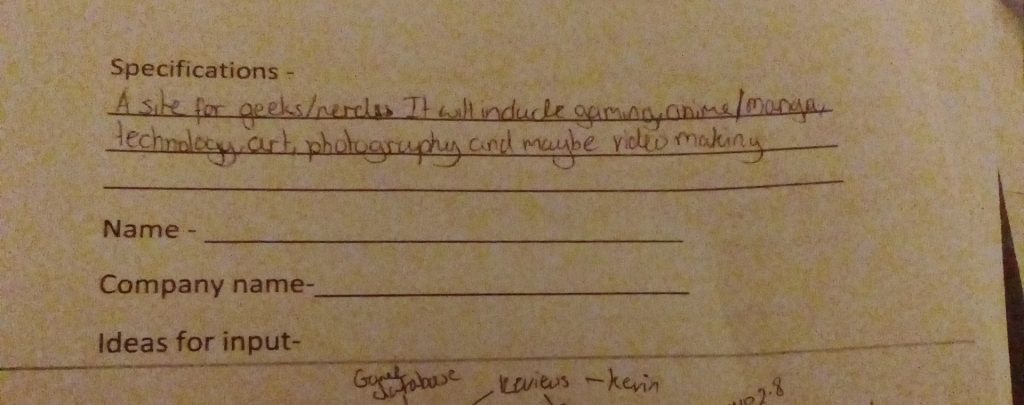
Hmm… we don’t really know how to build one.
With excitement and adrenaline, I went to the technicians team to consult us in how to create it. That took a lot of guts as I was afraid to ask. The adrenaline helped, and a couple of friends were with me. I didn’t know whether they had any experience in creating websites or internet infrastructures, but the “computer-literate grown ups must know something,” especially one had a gaming laptop I was impressed by.
To my surprise, they were genuinely supportive. I jotted every piece of advice they could offer us. In a way, they were my first mentors I seeked out. Even briefly. One of them asked if I had any coding experience. I said I knew basic Python and HTML. Nothing sophisticated. He suggested using WordPress, explaining it was a good low-code starting point.
I remember thinking, “Wordpress? That’s just cheating!” Little does she know her personal website (airrasamson.com) would be running on a low-code engine. Low maintenance is actually excellent for blogs and e-commerce. And modern low-code are surprisingly advanced. Unless the engine collapses, I will be sticking with it. I suppose I didn’t like the fact our website would be relying on ready-made presets, and the lack of freedom and customisation. I craved full control. So that meant I need to code better. I didn’t have the sophisticated technical abilities, but I was ready to learn for my love of programming. It felt so fascinating how technology could create magic.
I didn’t yet grasp that making a website meant domain names, hosting, internet protocols, and most importantly; money. I thought it was just, “Code it and it appears!”
I called a friend who knew how to build websites. He asked, “What’s your domain?”
I asked, “What’s a domain?”
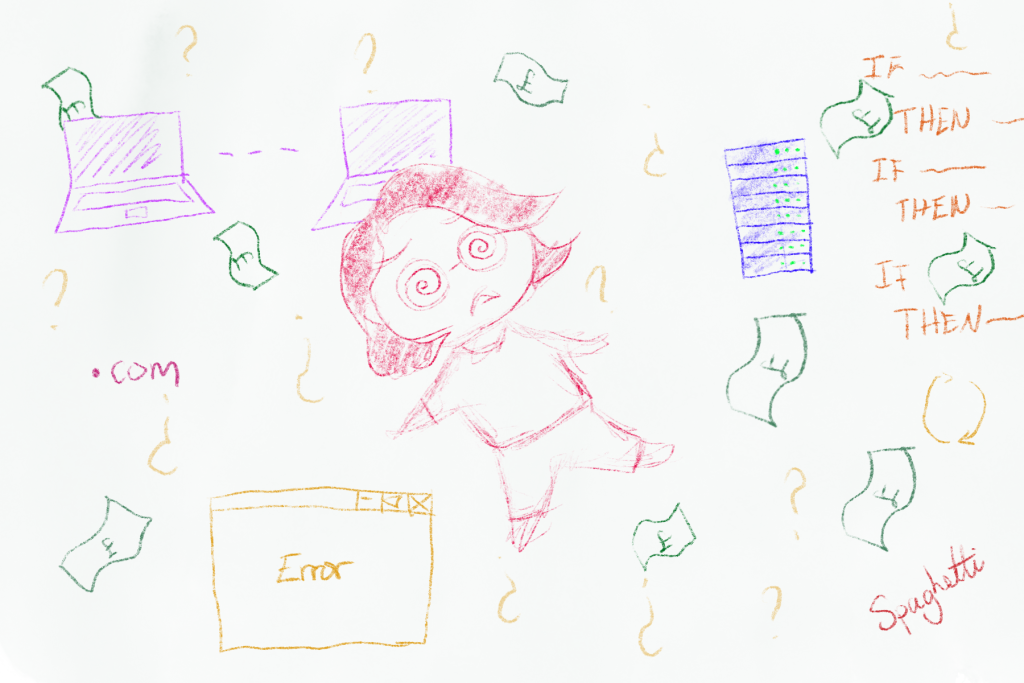
There is a lot to juggle when creating tech – or a business.
I should have delegated some research to a team member, and for another to learn some advanced programming with me. Last time I heard, he’s now a sophisticated programmer. Trying to hold every aspect of responsibility is not sustainable (now that I have learned as an adult.)
We started by thinking about the website’s overall aesthetic, branding, features, mechanisms, and our roles. That was probably my first time taking a leadership role. I was only a teenager leading other teenagers, so you could guess how I performed. A very inexperienced one. The team calls just went on for hours yapping away and dreading tests instead of doing any work. But we did get the branding developed. The spirit was there despite the lack of productivity. And I got to set up ‘deadlines.’
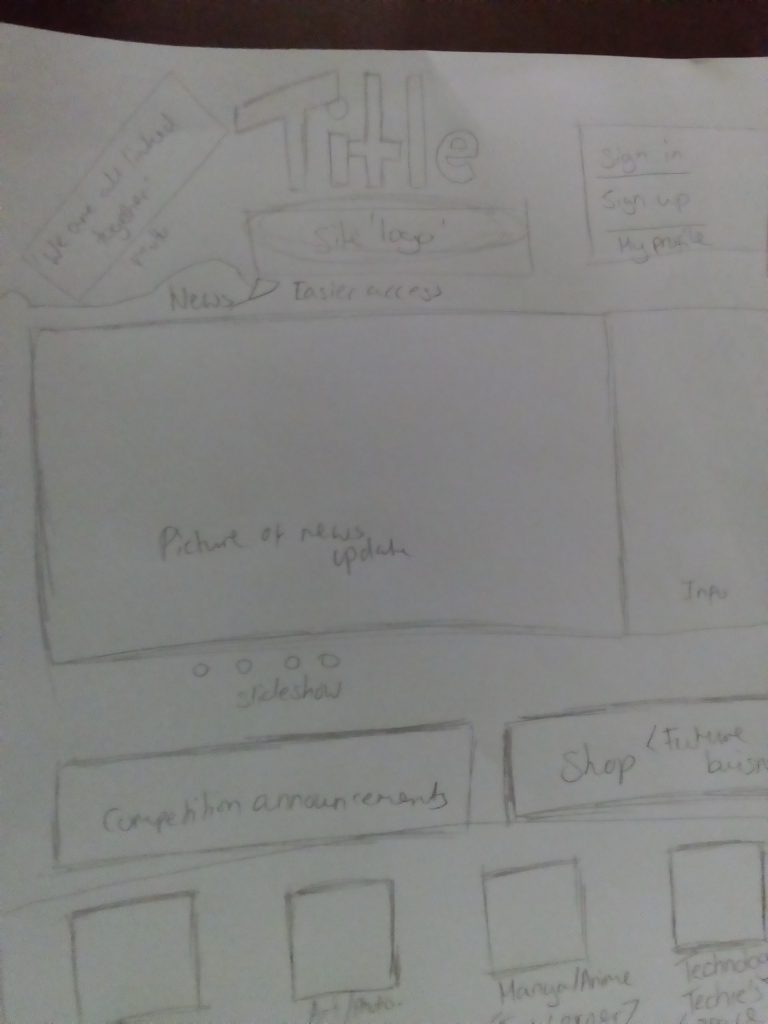
Not a failure!
That’s as far as it went. We were stuck in the conceptual stage. With teenage angst, life changes, friendships drifting, and exams getting in the way. The project never launched. Neither was a single line of code written. The lack of funds wouldn’t have bought it online anyway. But looking back, I feel proud of my younger self who wanted to solve a problem – a lack of connection. It didn’t feel like failure to me, but the mere fire of wanting to create something was rewarding enough. I learned a lot. There were some major wins such as creating a team, seeking mentorship, and learning about tech – and myself. Also, a little glimpse of what it’s like to have supportive people in your vision. They were my true inspiration. I had not a single clue what I was doing, but I started and tried to figure it out along the way. There were a lot of blind spots. I never felt so excited over a project before. At least, I tried despite the limited resources and experience.
I didn’t really care where it was heading or what the (lack of) plan was, it just felt super exciting to make something with my friends.
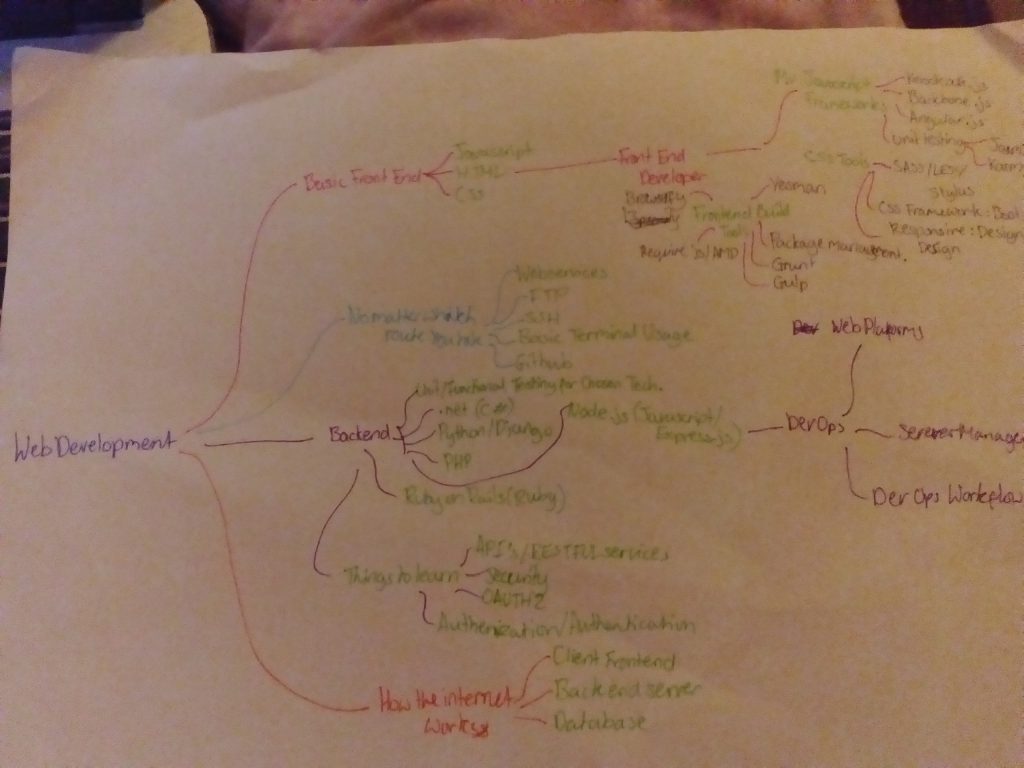
It’s interesting that if an adult did this, they would have been shamed and criticised for a lack of strategy and direction. Well, investors would. I never thought about having investors, or at least I didn’t know. I wasn’t even at the legal age to be employed. We were penniless teenagers. I would’ve been too scared to ask for money anyway. We had no rich parents to fund our teenage whim. Money never came into our minds until tools need to be bought. Now, that would have been one of my first priorities. Getting that capital.
Other changes I would have made is to start off the idea smaller than the end goal. A reason why visionary ideas don’t end up in the world, is because they’re just too overwhelming to manage. Nintendo started off as a small playing card business before becoming one of the most popular video game companies in the world. Start small and set it out into the world (as soon as possible), figure out the rest later.
As an adult, I’ve become more cautious. I calculate risks. I over-plan. I delay. And I miss her – the girl who just did things, for the love of it. She didn’t care if it was perfect.
It’s now I understand that healing is just returning to your child-self before life got in the way.
Well, we have Discord and Reddit. Do gamers need anything else?
Love,