Reconnecting with my heritage as a British Filipina
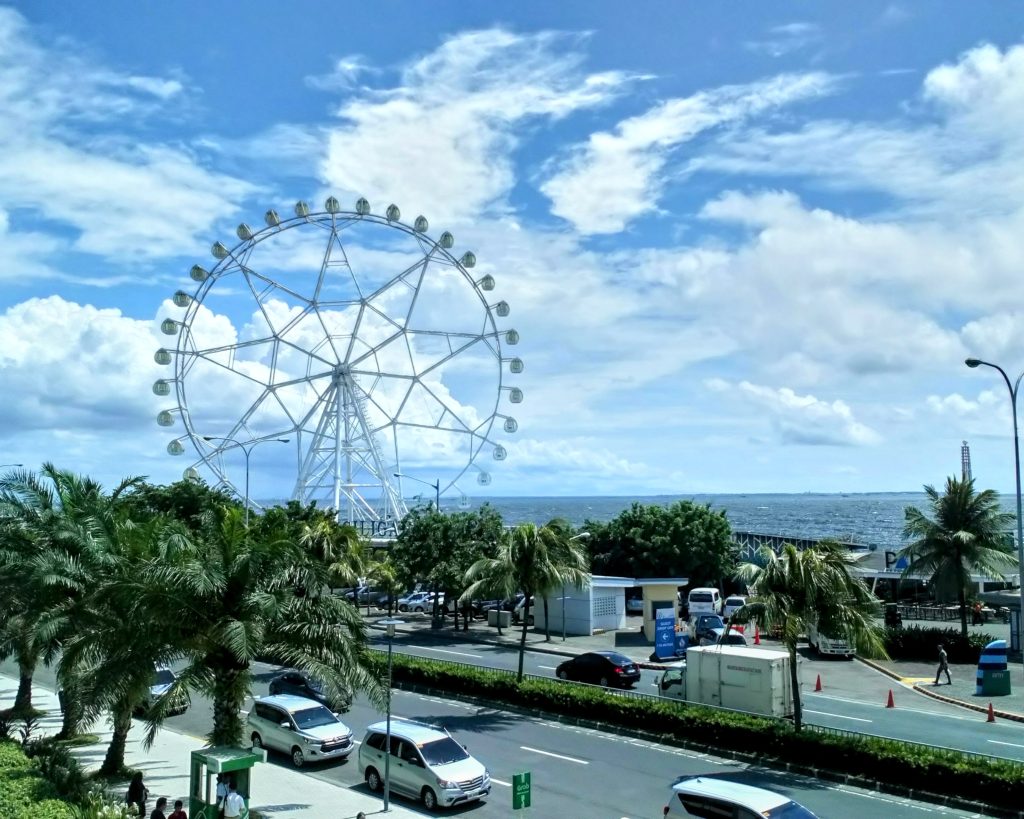
I was a 3-year-old little girl when I moved to the UK. It was in the middle of a British summer and yet my skin shuddered to the warmth. A little girl wouldn’t comprehend that her old home is now thousands of miles away. As well as large lands beyond the ocean. Children tend to adapt quickly to their environment, and so I did like many before me. English was quickly picked up as my family would sometimes speak English; we also enjoyed American media. In fact, 47% Filipinos are competent in English. Perhaps that’s why my accent is a hot-pot of American and British accents. It can’t really decide which to sound like.
As a first-generation immigrant, you somewhat forget about your heritage as you mould yourself to your new home. Philippines is on the other side of the globe, and there are only a limited number of ways I can do to remain connected.
At first I experienced the food, media, language, and cultural mindset – now I began exploring the history, literature, fashion, and editorial pieces. It’s a beautiful country with a rich history that should be remembered. You can even find influences from our marital arts, Eskrima, in movies such as Dune. We are really skilled with our knives and sticks – as that was all we could wield during colonial times. I do like the Fremen.
I will also introduce you to my dear friend Charisse Buenaventura, an MMU Fashion Graduate, about her journey connecting with her Filipina heritage for the 2023 Graduate Collection.
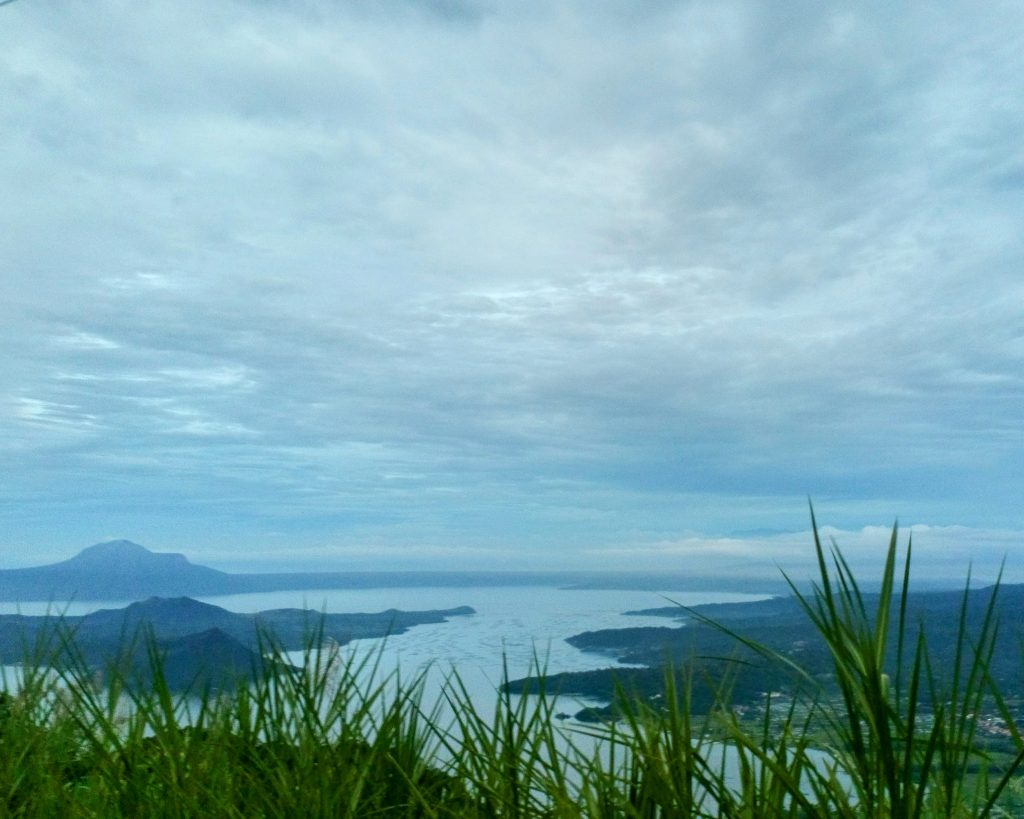
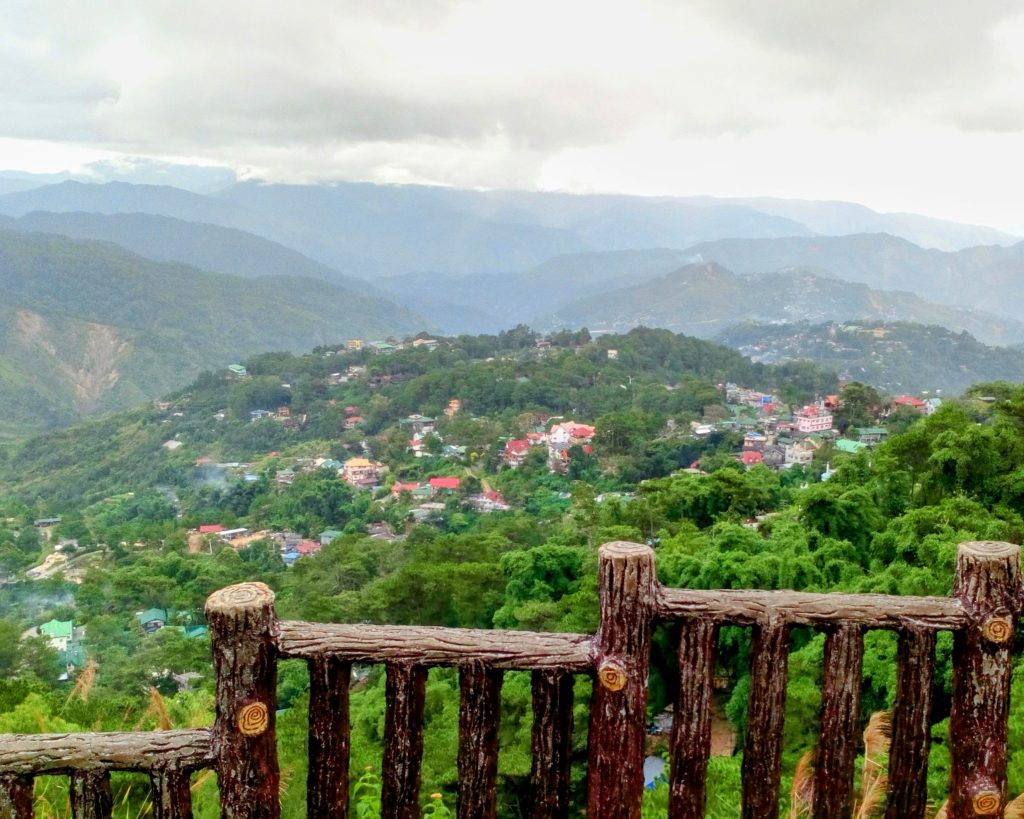
Stories Across the Sea
Reconnecting with my Filipino heritage is one of my new year resolutions. My library has a vast collection of online fashion and lifestyle magazines, which some are Filipino. My favourites at the moment are Vogue Philippines and Tatler Philippines. Though it mainly features an affluent taste, it feels good to have media depict the Philippines in a glamorous and luxurious light; for being an ‘emerging country’ or ‘third-world’. Because you know what? Our country can be those things even though we’re not the richest nor have the most resources. We have a very diverse culture. They don’t stop at couture, they also explore the different talents, minds, craftsmanship, and cultural movements within the Philippines. We are after all comprised of many islands, so there is a lot of diversity and stories to be told. I enjoy seeing ambitious, visionary Filipinas succeed and have their words heard. Especially some only see us as (very hard-working) domestic workers or nurses – which is very far from the truth.
Vogue Philippines is a relatively new magazine that began publishing in 2022. My favourite issue will always be August 2023: The Craft Issue.
The front cover features the National Scientist of the Philippines, Dr Dolores Ramirez, who is a Geneticist specialising in biochemical genetics and cytogenetics. She was 91 at the time of publication, and have been our National Scientist since 1998!
Seeing a mature and accomplished woman in STEM on the front cover felt inspiring. You are used to seeing young or ‘marketable’ models and celebrities on a fashion cover, so it was a happy surprise.
It felt reassuring to have Dr Ramirez to dress feminine and gracefully. You can feel her inquisitiveness and warmth within the photos. A reminder that we don’t have to give up our femininity (or colour) to be taken seriously. To not have fashion to be seen as frivolous, but as a sense of expression. Like armour.
The issue also features women from different disciplines – creative and technical. That is what I wished to see as a child. I do appreciate the works from actors, singers, athletes, and models; but there isn’t enough representation of stylish Women in STEM. I want to read the stories of women succeeding from every discipline, with fashion as an expressive complement. Such as this shoot – Dr Ramirez is wearing a warm green Carolina Herrera dress surrounded by flowers; that is her passion and research specialism. Honouring and respecting the works of Dr Ramirez.
Some may argue that these women are not ‘marketable’ enough, and fashion magazines are only there to sell something “you don’t need.” However, there is now a positive media influence towards the accomplishments of women and culture. In this case, by Filipinas. Many young girls are struggling to find female STEM role models, but Vogue Philippines are targeting that problem with one issue. Letting the world know we do exist, and our stories are real. That our technical vocation doesn’t take away our sense of artistic and human expression. We can be intellectually rigorous and stylish.
I will write a separate entry about our fashion and textiles heritage 😉
Feature: Charisse Buenaventura
Bayan Kong Sinilangan
“The land where I was born”
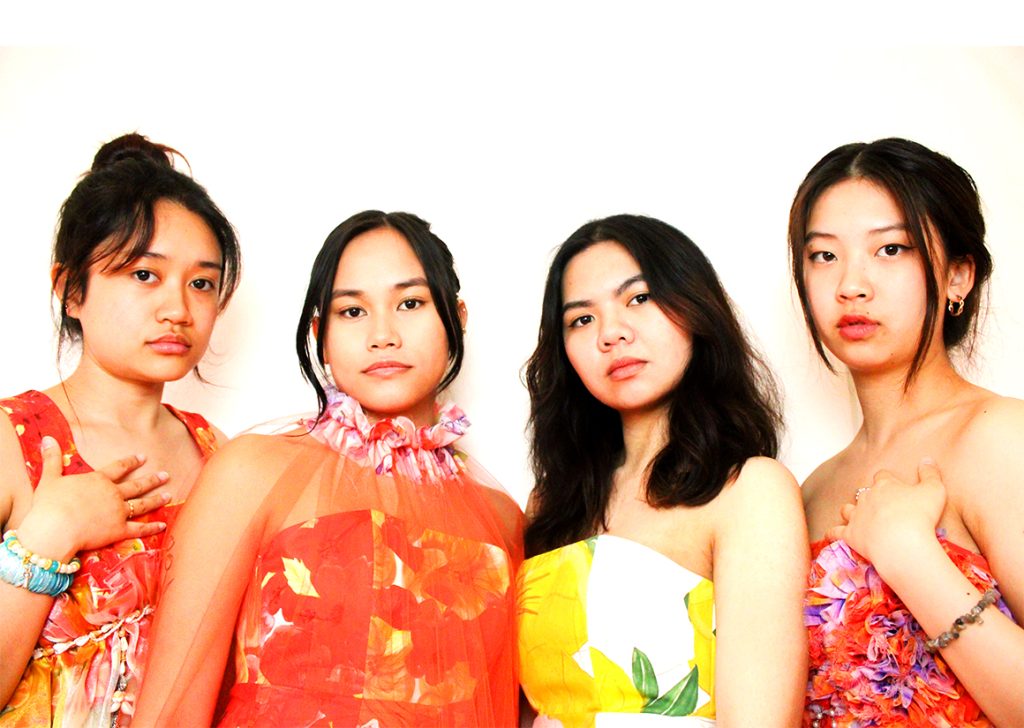
Charisse Buenaventura is an MMU Fashion Graduate with a keen taste for contemporary playfulness. Her 2023 Graduate Collection was inspired by her Philippine heritage.
What inspired your collection?
My collection was inspired by my fond memories of the Philippines growing up, incorporating references of objects and colours from childhood photos into my designs.
It all started from my genuine love for my family and relatives in the Philippines which further immersed myself in my own culture. I hope to expand my research into the history of Philippines, and iconic places such as Manila and Baguio – which I am not familiar with. I desire to connect my Filipino roots with my UK upbringing, as that’s part of my identity as a British Filipina.
What 3 words would you describe your collection?
Vibrant, playful, and feminine.
Did you discover anything new about your heritage from the creative process?
I’ve learned about my family heritage and items passed down from my grandparents to my parents. Which some items have been entrusted to me. It’s been a fascinating journey to see an item of significance passed down to be held and treasured by younger generations.
What does being Filipina mean to you today?
Being a Filipina, for myself, means having the opportunity to live and connect with other Philippine people in the UK. Being able to share our experiences of the motherland together with social gatherings, listening to songs by famous Filipino artists, dancing, and eating food cooked by our parents (also by Titos and Titas). Personally, I am blessed to have moved to London and be surrounded by a big Filipino community.
What’s your next step in your career?
My next big career move is to further develop my research and conceptualise my designs into beautiful products. I intend to design them for people to enjoy and use for a lifetime. To keep creating beautiful designs that are both functional and aesthetically pleasing; for the feminine, playful, and contemporary woman.
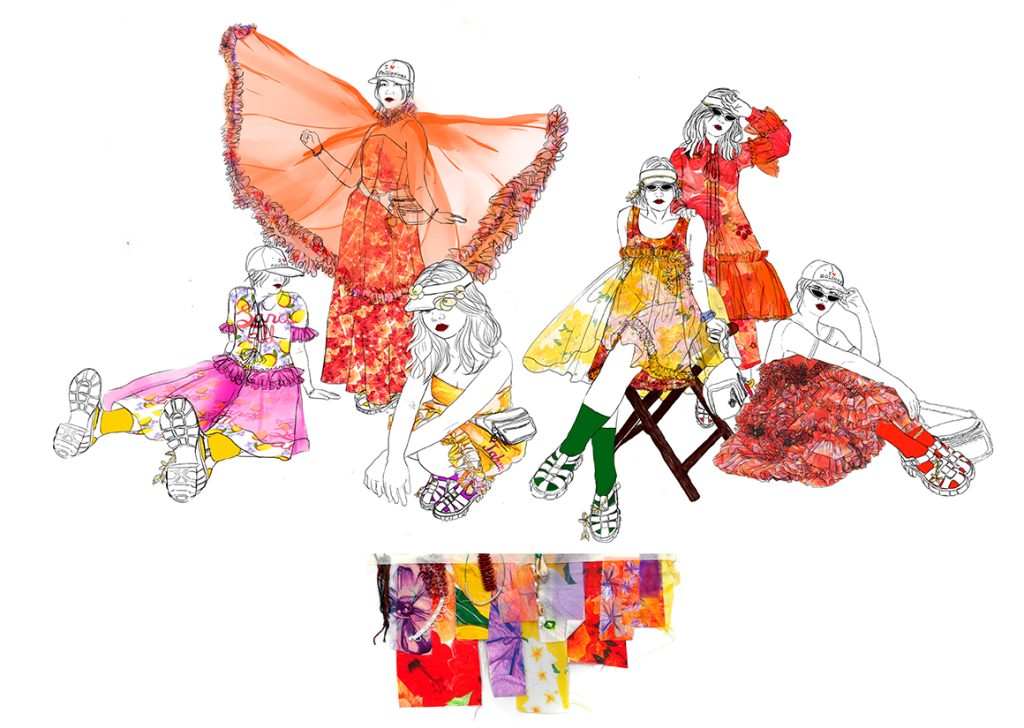
Graduate Week Runway
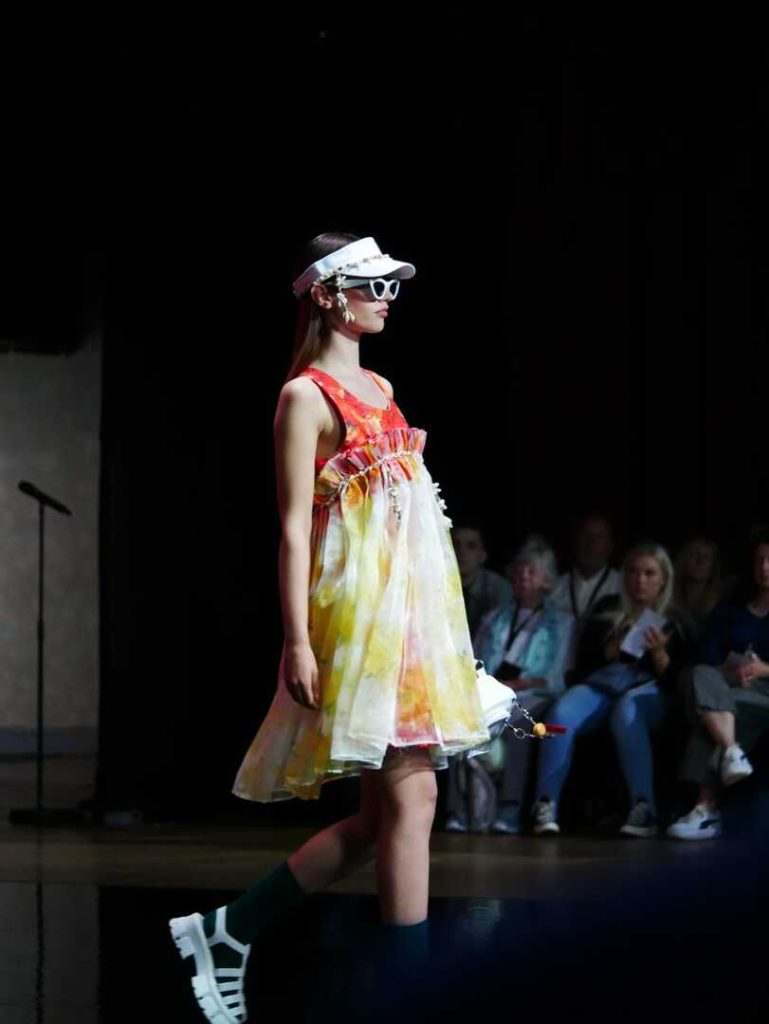
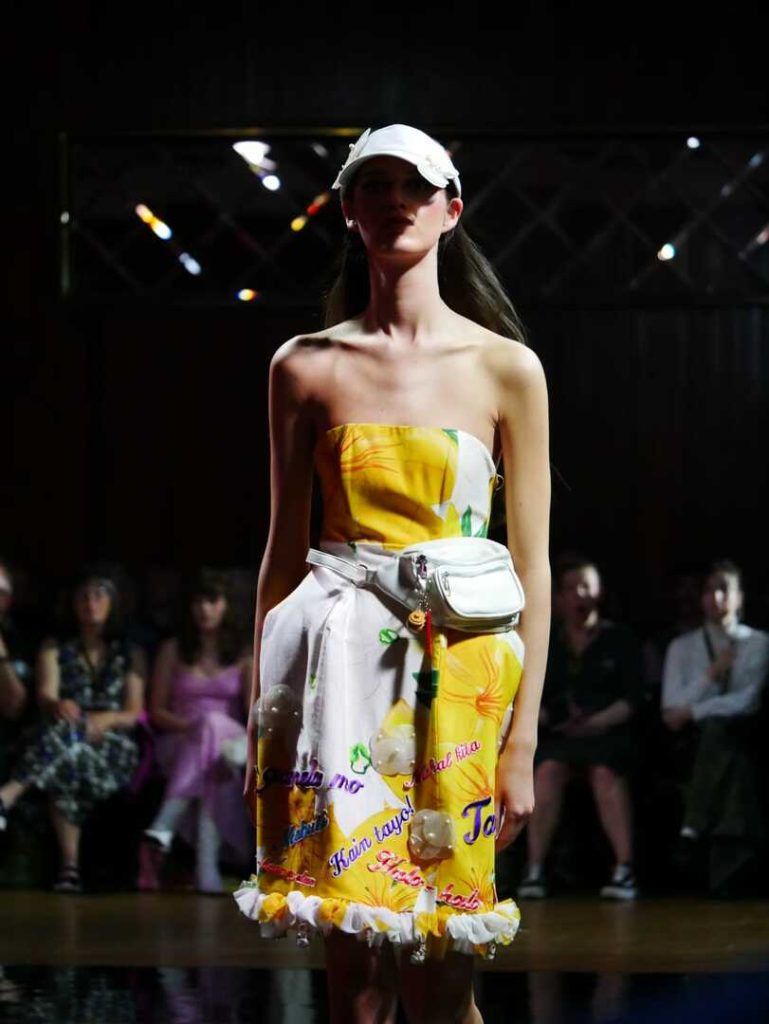
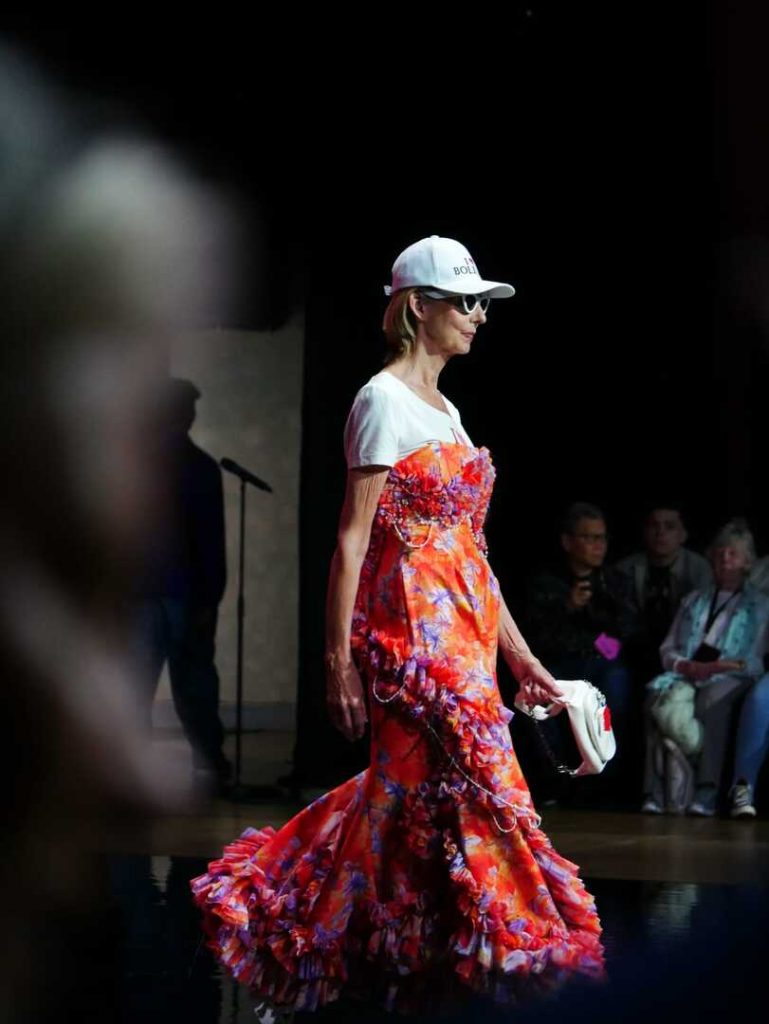
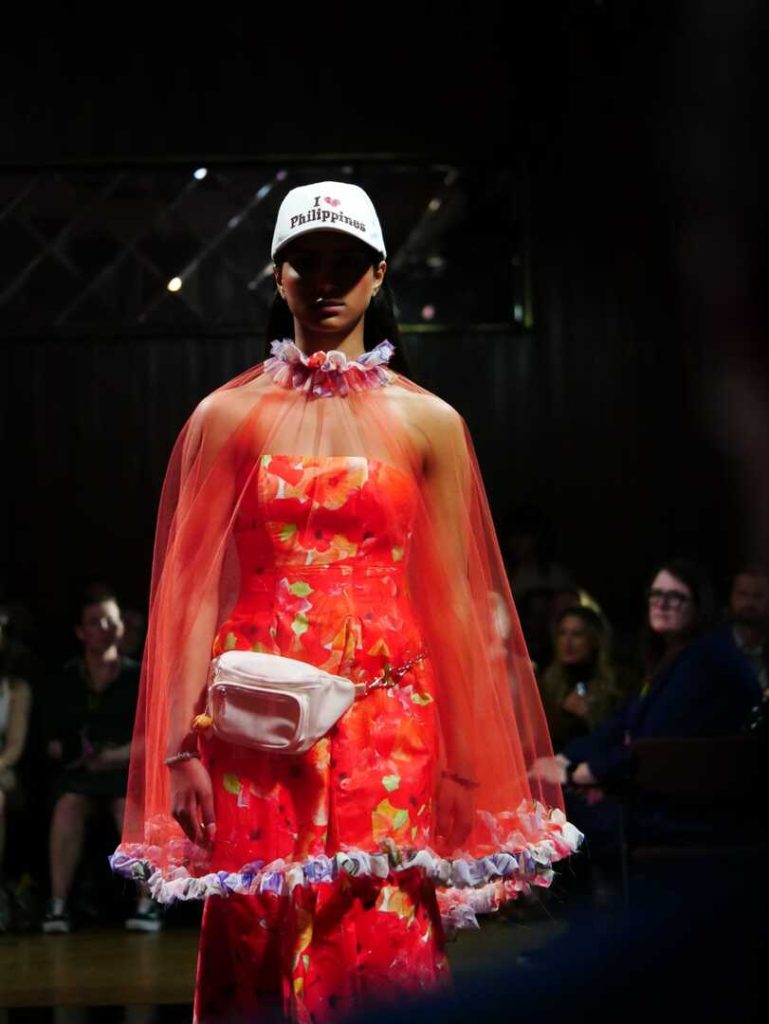
[Credits to Chryzler Buenaventura, in courtesy by Charisse Buenaventura]
Connect with Charisse: LinkedIn | MMU Portfolio | Instagram | Graduate Fashion Week
Ube and Pandan
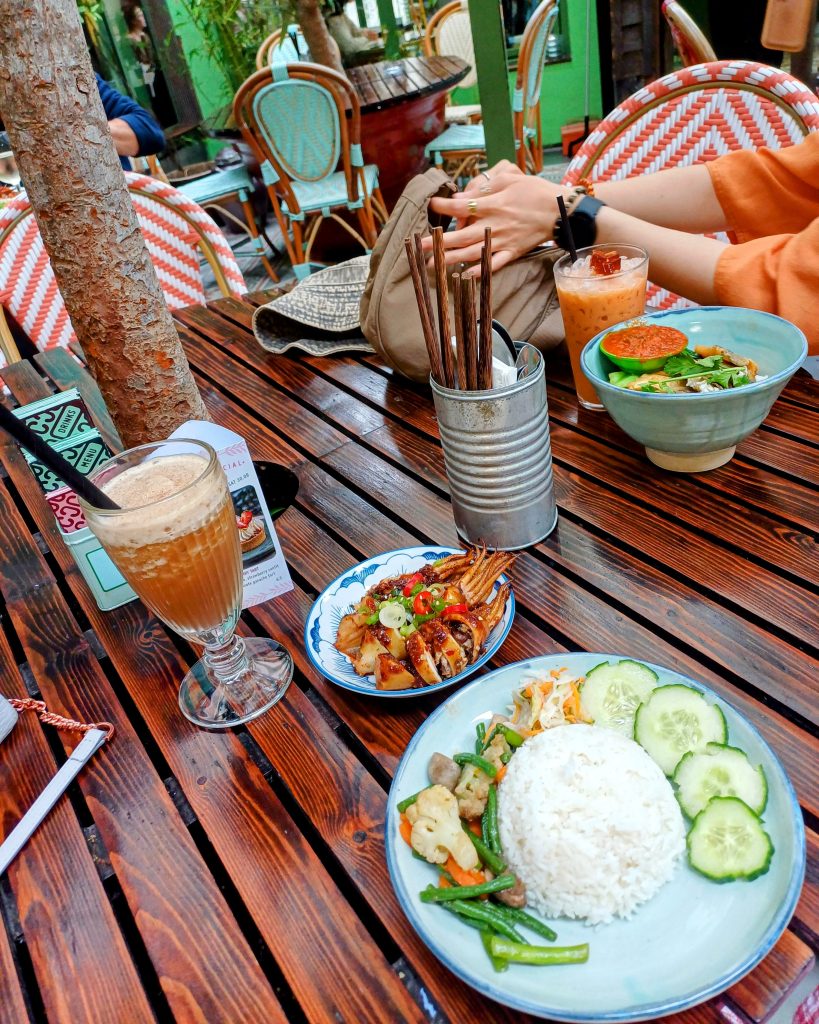
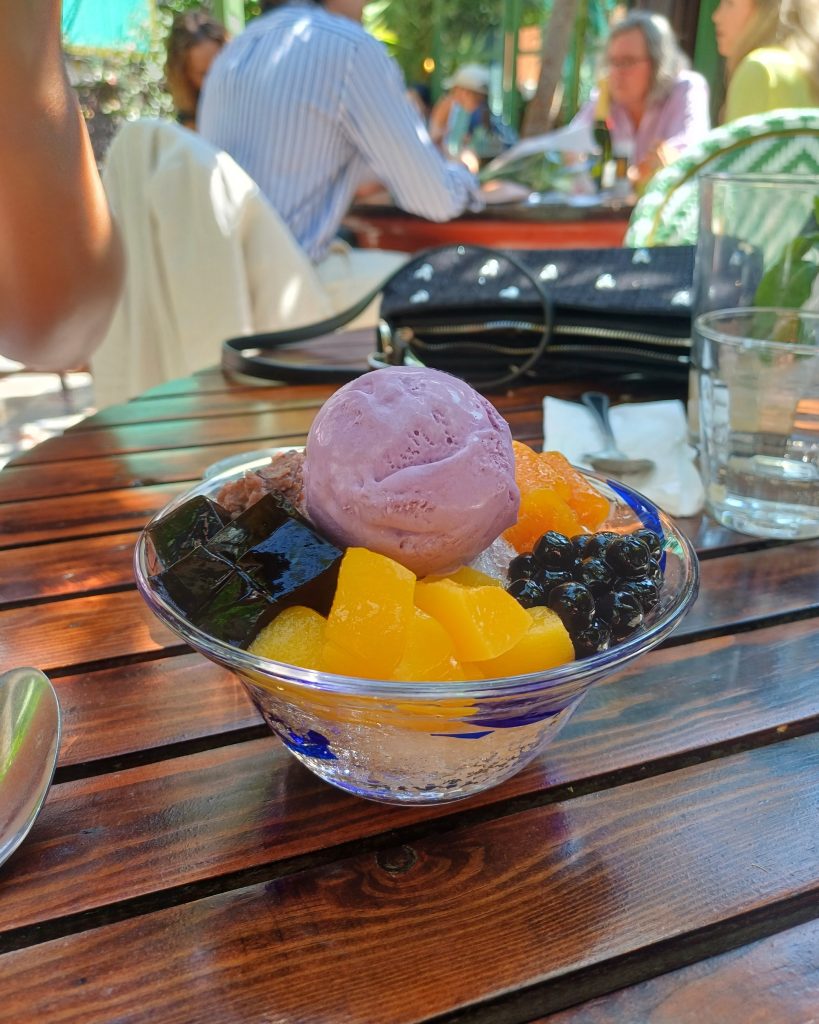
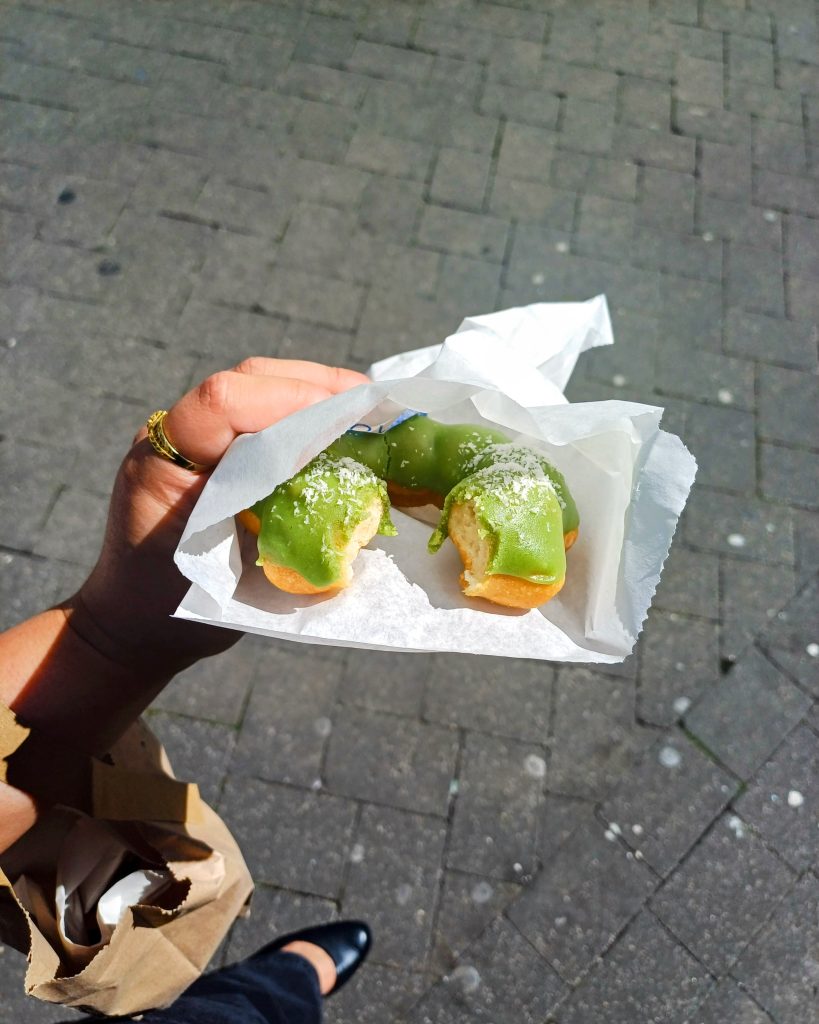
Nottingham has been a sanctuary for (South East) Asian food. It’s only recently that I managed to experience authentic Filipino ingredients at restaurants and cafés. You can see my excitement whenever I see “ube” and “pandan” on the menu. I invited many friends to these cafés, and it brings me joy that they also enjoy the cuisine. To the point we regularly dine there. I love how food and coffee brings people together. Where my friends from various backgrounds can have a taste of our culture.
Filipino or not, I’m happy to see South East Asia getting their culinary recognition. I do hope Filipino Cuisine will one day appear around cities, but it seems to be doing so slowly – but surely. As Gordon Ramsay would call Filipino food as the ‘Sleeping Beauty of Asia.’ He may be known for his hot-temper and hilarious cursing, but there is a sense of respect for his openness to different cuisine.
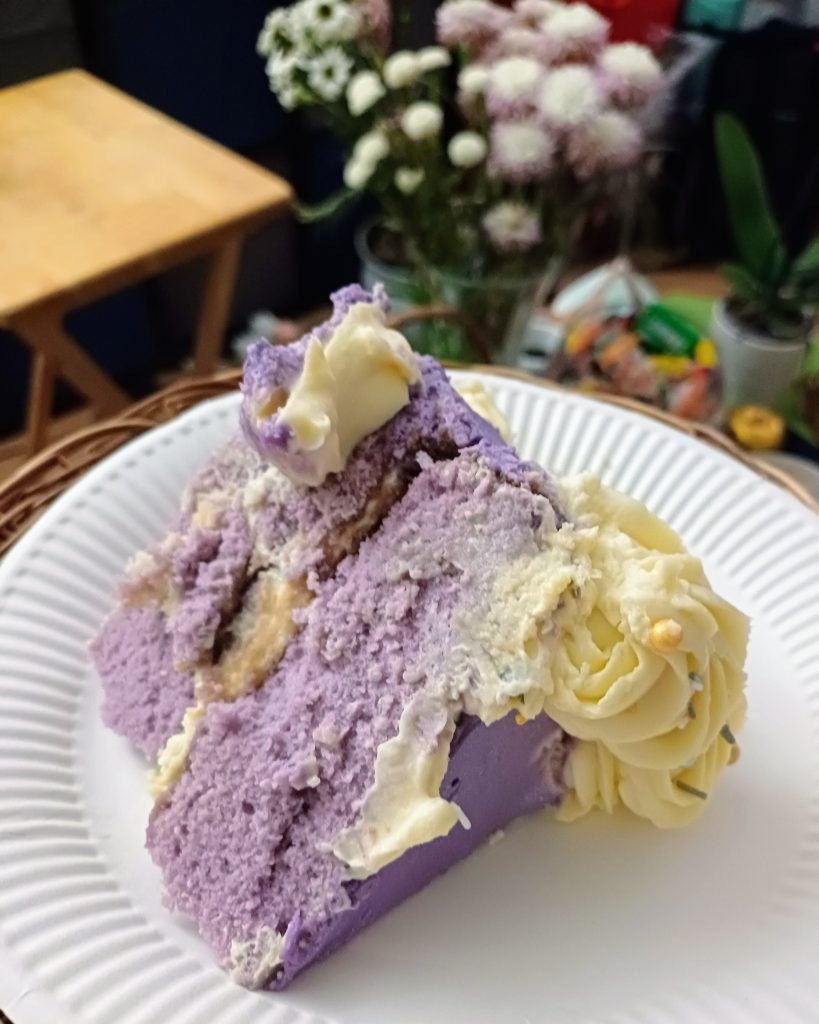
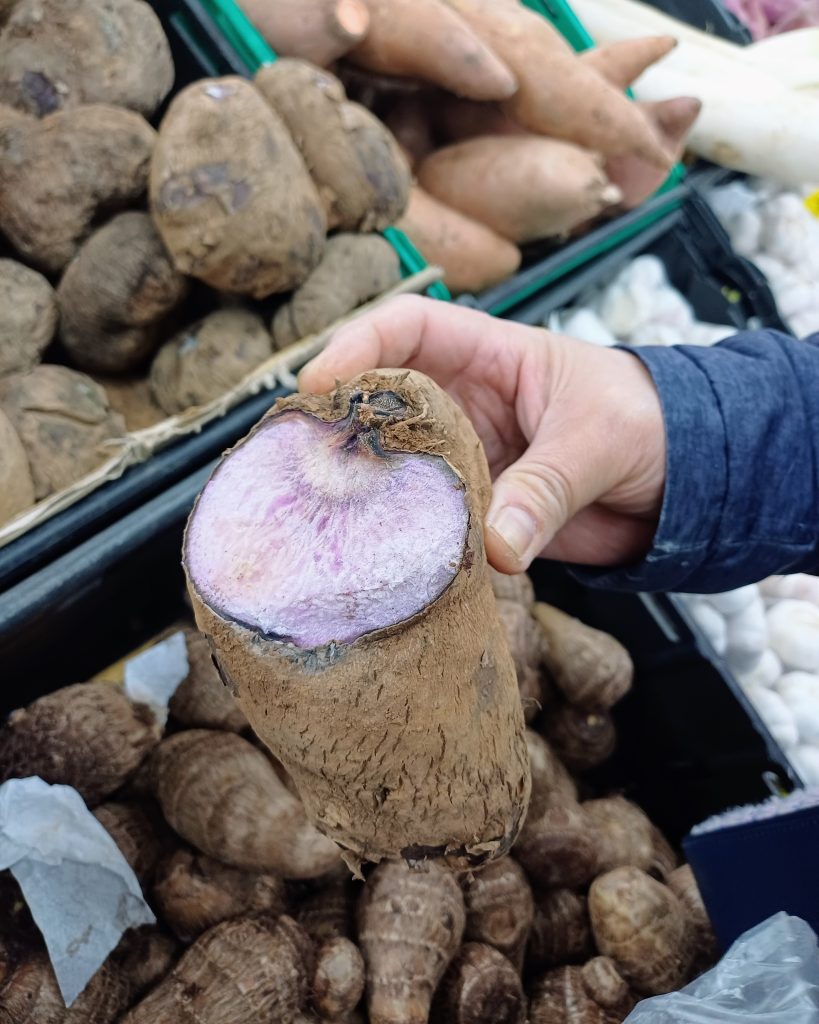
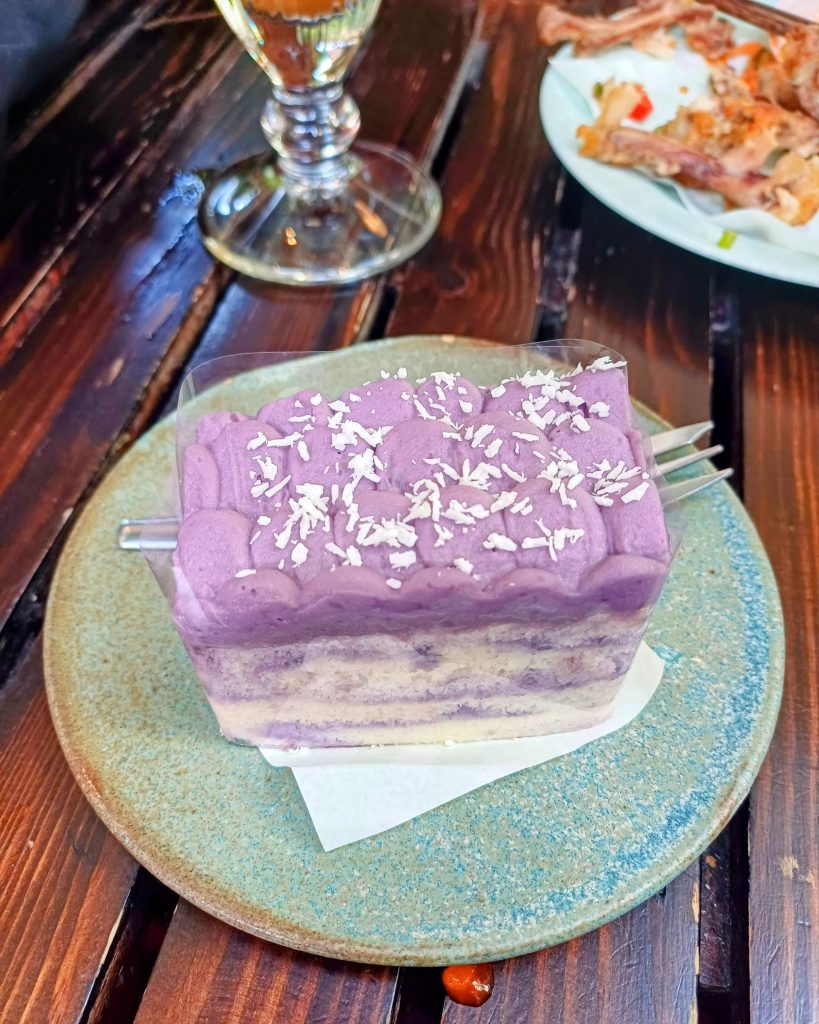
My favourite cafés to find Ube and Pandan desserts at Nottingham; Coco Tang, Boulangerie de Saigon, and Wawoo Mochi Donuts.
Can you tell I love Coco Tang?
Vive la Différence
TW: Racism and Misogyny
Though proud of my heritage, I unfortunately did not escape from the reality of my difference. Too British to be fully Filipino, not white enough to be British. My diverse background has been a point of strength until a certain someone clearly didn’t approve of my race and background. Their comments containing a preference for “someone British and White”, and “warning” my then-partner of girls from “certain countries.” Which is also a very unkind assumption about women. To my then-partner’s credit, he did his best to defend me. They asked if my country was ‘dirty.’ A question that struck me as a strange mix of ignorance, misplaced curiosity, and quiet disgust. It revealed more about how they saw the world — and people like me — than they probably realised. Whatever their intentions were, they still echoed a mindset that hurt many people like me. “I have nothing to prove”, as I cried to a trusted loved-one. I knew my character and value; yet those words cut deep. Words were all it took to question myself, but I refuse to let them hurt me any further. Determined that my will was stronger than their ignorance.
Due to the circumstance, I was forced to get along with certain person. Walking away wasn’t an easy choice. I wanted to be ‘understandable’ of their nature; so I suppressed my anger. To try and escape from their assumptions, I made myself small. Polite, agreeable, and non-threatening. Hiding behind the polite wall of agreeableness was my only protection. I told myself, “I’m an adult, I can handle this.”
If a friend received discriminatory comments, I would have been furious on their behalf – while being thankful for their trust. It takes a lot of courage to be vulnerable. And for myself? I didn’t have the strength to confront them. I didn’t even tell my friends and family. I stayed silent. Hearing all of the bad experiences from people like me, I “didn’t want to become another victim.” Certain person’s choice of actions was never my fault. It shouldn’t have been my responsibility to manage their discriminatory thoughts and feelings. Unsure how to process it, it all became a self-defeating process of compliance. I should have allowed myself to feel the anger. After a long time, I told my trusted loved-ones. They all came from different backgrounds and identities. They all concluded it was and still is wrong. They all said the words I was too ashamed to hear; “that is racism.”
The bad gut feeling remained until I made a choice to never see certain person again. It felt like a massive weight off my shoulders. Despite everything… I feel sorry for them. That is how they will be remembered. I will only remember how they made me feel. Not their accomplishments. Not their connections. Not their gifts. They all became meaningless. I forgave them, not out of pity. So I could let go.
“There is a reason why you’re angry; someone has crossed your boundaries”, my counsellor told me. Anger is a very misunderstood emotion for its destructive reputation. It doesn’t have to be that way, it can be tamed gently. Fire cannot exist without oxygen. To me, it’s full compassion and understanding. Knowing why you’re angry and why they behave that way. Treating it like a friend who’s signalling you something is wrong. To never use the potent spice of anger against anyone or yourself. But to have enough courage to be honest and aware. Knowing that you’re not alone. Many have experienced this before. Many will continue to experience this. Many have been silent about this before. Many felt ashamed.
By acknowledging the experiences of many, that will never be an option for me.
That very experience taught me essential lessons as a young adult. Fitting in and belonging are not the same. If I have to mould myself for someone to the point of emotional exhaustion, then that’s not healthy. Communication is important. If it’s not possible with certain person (or people), then it is vital to lean on my trusted loved-ones. I have a supportive community – which is a massive privilege. Some have to deal with it alone. To trust my (alarming) intuition. Maturity and politeness is never about tolerating disrespect. No matter who the person is. Whether that is about my race, gender, and background. My experience importantly taught me the various characteristics of racism, misogyny, and xenophobia. It doesn’t have to be explicit and violent – that many are aware of. It can be subtle and deceptively polite. Which can be terrifyingly easy to miss. The people who see me know I am more than my race and background. None of us are perfect, but I’m deeply grateful for those who ground me with true respect and dignity. It’s an interesting part of me, and I am more than that! And so are you.
- The New Yorker: “Minor Feelings” and the Possibilities of Asian-American Identity
- Forbes: When You Say You ‘Don’t See Color,’ This Is What We Really Hear
- Time: I’m Tired of Trying to Educate White People About Anti-Asian Racism
- Refinery29: What We Lose When We Focus On Whiteness In Interracial Relationships
Woven Together
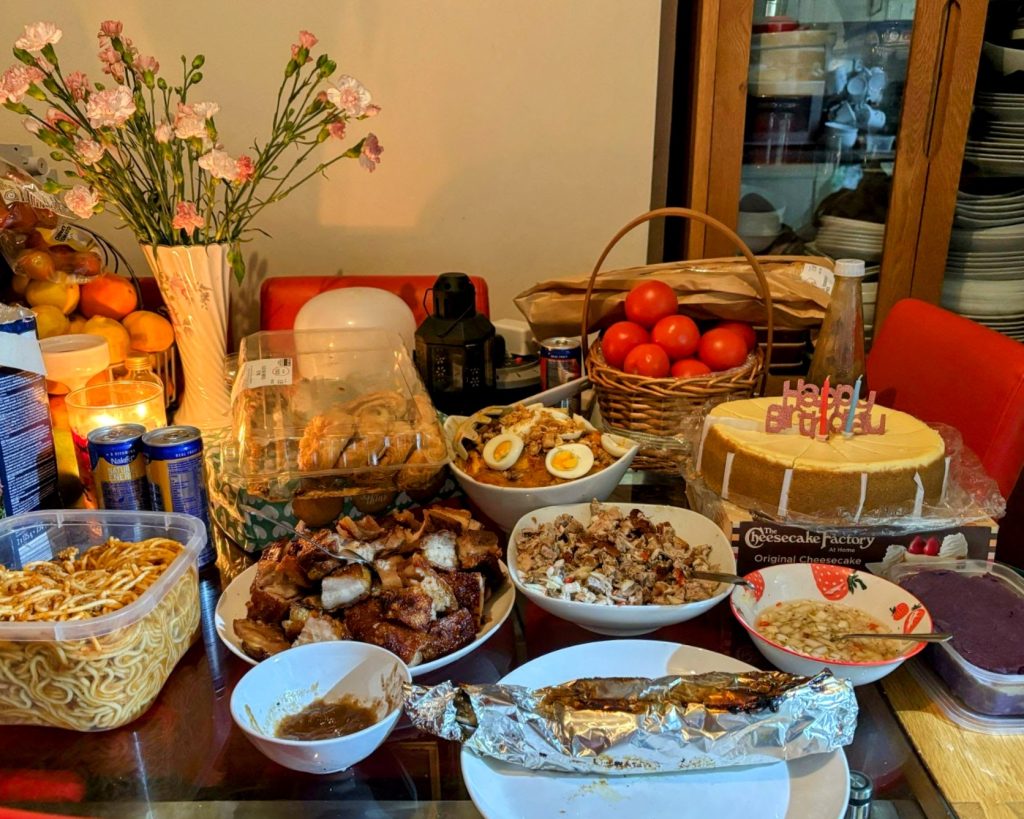
One aspect I truly appreciate about us is our very strong sense of community. Filipinos are known for their hospitality, so you will be fed. A lot. Partners and friends of Filipinos, don’t eat before visiting their family home. Whenever my dear friends visit my family home, they are offered the ‘initiation rite’ of eating Ma’s food; with leftovers to take home as well. Food and sharing is our love language, we want the people we care about to be nourished. Especially from generations of colonialism, instability, and war – a collective kindness helped us survive. Now it is engrained within our culture. We also cannot forget the amount of Filipino parties that occur on key dates; birthdays and Christmas. It’s like there is a social gathering every other month. Don’t eat before a party; they will have a huge buffet ready for you.
Along with the food, there is a sense of security when looking after each other. Especially children; they are everything to us. It really does take a village to raise a child. I know there is always an Tita (Auntie) and (Tito) Uncle ready to support me and family at times of need.
I have a distinct memory from primary school. It was reading time, and my turn came to read to the teacher. I read through my book as she checked off my progress, occasionally nodding. Then she looked at me with intrigue.
”Do you have any Filipino books at home, Airra?”, she asked.
As a shy girl, I simply shook my head, confused. She gave a gentle smile. “If you do, please feel free to read some at school.”
My teacher was inviting me to remain connected with my language – even at school. That permission may have seemed simple, but it meant everything to a little girl in a foreign country. A quiet reminder that I was allowed to express my differences among my peers. Even if it might seem a little weird to other children. Luckily, they were always kind to me and innocently curious. As we grew older and more mischievous, they would ask me how to swear in Tagalog. I cheekily obliged.
My Filipino books, however, were still in the Philippines – too heavy to be brought over. Most of the books carried were in English, so I could practice at home. On the bright side, the internet has now archived so many Filipino books, all for my curiosity to happily indulge.
I will never forget how her small gesture made me feel accepted.
Thank you for reading,

My brother finally found distressed jeans.